What are UI and UX? Which one holds the magic key to increasing your website’s sales?

Custom and professional website design
While the terms UI and UX are frequently used in digital platform development, many fall into the trap of believing they are two sides of the same coin, or simply technical terms for the same thing. This confusion is what makes some websites look like masterpieces but difficult to use, or are very functional but lack the visual identity that builds trust.
If you want to understand what UI and UX are, and how they complement each other to make your website look professional and logical, this article explains the full dimensions of each, without getting bogged down in technical jargon.

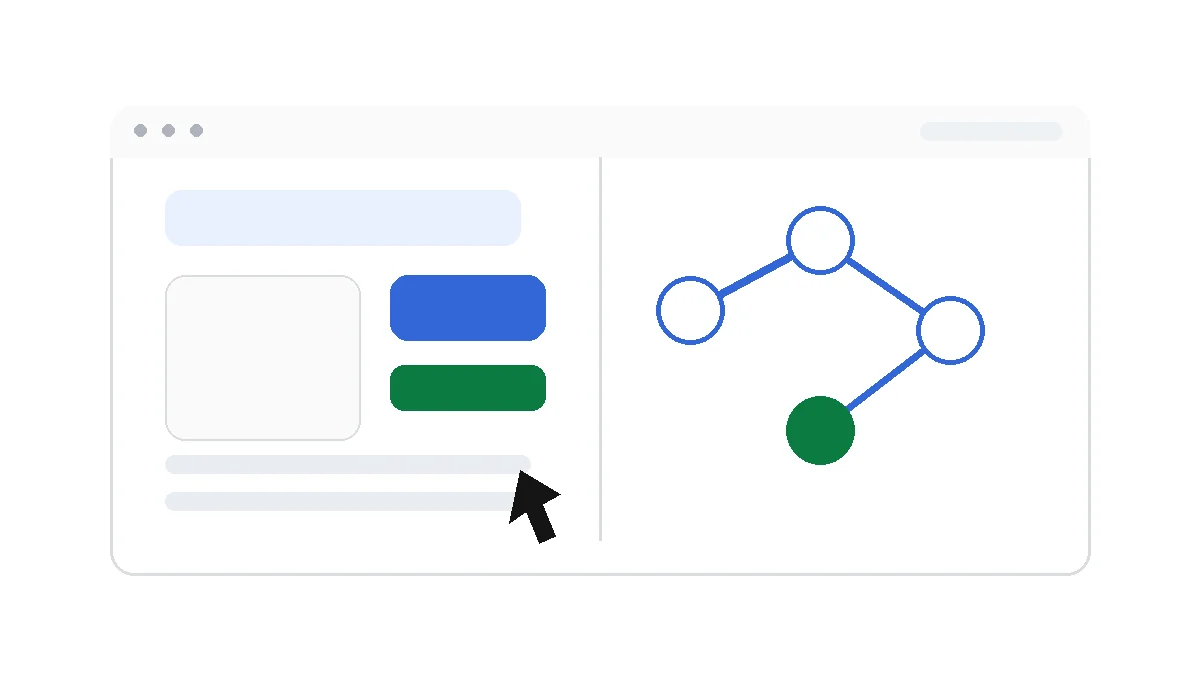
What is a User Interface (UI)?
The User Interface (UI) is simply everything the customer sees and interacts with visually. It is the visual language that translates your brand identity into colors, fonts, icons, and buttons. The main goal of the UI is to create a first impression of trust and professionalism.
The core technical elements of the UI:
- Visual Design: Building a visual identity that instantly inspires trust in the customer’s mind. The color selection is not arbitrary; each color carries a specific meaning for the customer.
- Typography: Choosing fonts that balance a unique personality with readability across different screen sizes.
- Interactive Elements: Buttons, drop-down menus, and input fields. A successful UI tells the customer exactly where to click without requiring them to read instructions.
- Responsiveness: The interface’s ability to adapt and integrate seamlessly with mobile screens as effectively as with computer screens.
What is User Experience (UX)?
User experience (UX) is everything the customer’s mind feels. It is the science that studies the visitor’s behavior and journey within the site: Did they find what they were looking for in seconds? Were the payment steps clear and simple? UX is the engine that works behind the scenes to ensure that the customer does not close the page angrily because of unjustified complexity.
Strategic elements of UX:
- Information Architecture: Organizing website content in a simple and user-friendly way that aligns with the user’s mind map.
- Usability: Reducing digital friction, as every extra click a customer has to make is a potential loss. A professional UX is one that completes the task in 3 clicks instead of 10.
- User Research: Studying real-world data on why customers leave their shopping cart at the checkout page. Is it because the price is high? Or are the forms too long?
What is UI/UX Design? And which one affects your website’s sales?
Herein lies the crux of the matter, as the truth that many do not tell you is that the UI opens the door to purchase, but the UX is what makes the process successful. The customer may be attracted to your site because of its modern design (UI), and this is considered the first step to building trust, but once the purchase journey begins, the UX takes the lead. The essential difference is that the UI is the means, while the UX is the end.
As for which one affects your website’s sales
The answer is both, but in different ways. Therefore, turning to a professional website design company like Internet Solutions is the ideal solution, as sales don’t choose one over the other; they result from the integration of both. UI attracts the customer and builds trust in the brand within seconds, but UX is what closes the deal.
You can contact us to help you improve your website’s interface and user experience to achieve optimal website performance, increase sales, and reach a wider audience.
How do UI and UX affect user interaction and purchasing decisions?
It goes beyond mere appearance because it is one of the most important steps in creating a new website, as it is an integrated system that aims to remove any mental or technical effort from the customer, to turn mere browsing into an actual and profitable purchase decision, since the purchase process is primarily a psychological process, so UI and UX affect this decision through three points:
- Building Trust and First Impressions (UI): A professional interface acts as a guarantee, giving visitors an immediate sense of security and trust in your brand. Customers are hesitant to entrust their financial information to a website with a disorganized or outdated design, making the UI the first step in the purchase decision.
- Removing Obstacles and Simplifying the Purchase (UX): The clearer and fewer the purchase steps, the more likely the customer is to complete the transaction before changing their mind or becoming bored. Any complexity in accessing the cart or excessive data requirements creates barriers that force customers to abandon the purchase and lose the sale.
- Guiding the Eye to the Target: Smart layout highlights “Buy Now” and “Add to Cart” buttons in easily visible and accessible locations. This visual guidance makes the purchase decision a natural and effortless step that comes at the right time for the customer.
- Organizing Products and Preventing Distraction: Organizing categories ensures customers can find what they need in seconds without getting lost among the options. This system reduces customer confusion and transforms browsing from a tedious search into a pleasant and fast shopping experience.
- Building loyalty and repeat business: When a customer finds comfort and ease in their first experience, they develop an automatic connection that motivates them to return to your store again. This seamless experience is what turns a one-time visitor into a loyal customer who trusts to deal with your platform every time.
Why is investing in user experience (UX) a strategic necessity for companies?
Considering user experience is not just about improving the website’s appearance; it’s a financial and administrative decision aimed at enhancing brand efficiency and expanding its market share through:
- Increase direct conversion rates: A seamless user experience converts visitors into buyers by minimizing the mental and technical steps that might hinder them from completing an order. The less effort required from the customer, the higher your sales figures will be without needing to increase your advertising budget.
- Reduce customer support costs: An intuitive and clear design reduces user confusion and frequent questions about how to use the site or track orders. This reduces the burden on the technical support team and saves significant operational expenses that would otherwise be wasted on handling user errors.
- Reduce bounce rates and wasted traffic: Investing in user experience (UX) ensures visitors stay longer and explore more pages instead of leaving immediately. This retention protects your advertising campaign investments and ensures that every penny spent to bring in a visitor has been used for its purpose.
- Build sustainable loyalty and reduce acquisition costs: Customers who have a positive experience will automatically return to your store without the need for retargeting with paid ads.
- Optimize your search engine ranking (SEO): Google relies heavily on user behavior (such as time spent and ease of navigation) to rank websites in its top results. An excellent user experience makes search engines trust your platform and push it to the forefront, bringing you free and continuous traffic.
If you want to get the best user experience, you can contact us immediately at Internet Solutions and our team will answer you immediately.
Real-life examples: For successful user experience (UX)
Success on these platforms was not by chance, but thanks to a deep understanding of the user journey and the simplification of complex tasks to become just intuitive clicks.
- Salla and Zid platforms: They successfully transformed building an e-commerce store from a technically complex process into an enjoyable journey that begins with the click of a button. The simplicity of the control panel enabled any merchant, regardless of their technical expertise, to launch their project in minutes, creating a boom in the Saudi market.
- Duolingo app: The brilliance of the experience here lies in turning learning into a game. They broke the monotony of language learning through fun interfaces and a rewards system that motivates users. This smart UX made customers engage with the app daily without feeling burdened by studying.
- Canva platform: It revolutionized design by making it accessible to everyone through a very simple interface. It removed the complexity users faced with professional software and gave them impressive results in seconds without any prior training.
How can we help you improve your UI and UX to increase conversions on your website?
Our mission at Internet Solutions is not just to make your website look beautiful, but to transform it into a smart sales tool that works for you around the clock. We do this through a strategy that focuses on removing psychological and technical barriers for your customers through the following steps:
- Simplifying the Customer Journey: We analyze the visitor’s path from entering the site to completing the purchase, eliminating any unnecessary or distracting steps to ensure they reach the checkout button as quickly and easily as possible.
- Improving the Call to Action: We don’t place purchase buttons randomly; we carefully consider their placement, colors, and wording to ensure the highest visual and psychological response from the customer, directly increasing click and conversion rates.
- Mobile-Friendly Design: Since most purchases are made via mobile phones, we guarantee a flexible and responsive user interface (UI) on small screens, with easy-to-click buttons and clear text that prevents customers from leaving the site due to poor display.
- Building Trust Through Visual Consistency: We design interfaces that professionally reflect your brand identity (UI), giving visitors an immediate sense of security and trust—the primary psychological factor that precedes the purchase decision in online stores.
- Analyzing Data and User Behavior: We don’t rely on guesswork; we monitor how visitors interact with your site and where they stop. What would drive them to leave? We then conduct continuous improvements (A/B Testing) to ensure your store remains at the peak of its sales efficiency.
Conclusion
Investing in UI and UX isn’t just a cosmetic option for your website; it’s a strategic necessity that directly impacts your company’s financial performance. The harmony between visual appeal and a seamless user experience is the true engine driving conversion rates and protecting your marketing investments from wasted by minimizing bounce rates.
The customer journey within your store determines your search engine ranking and shapes customer loyalty. Today’s consumer isn’t just buying a product; they’re buying the convenience it offers.
Frequently asked questions about UI/UX design
Share this article